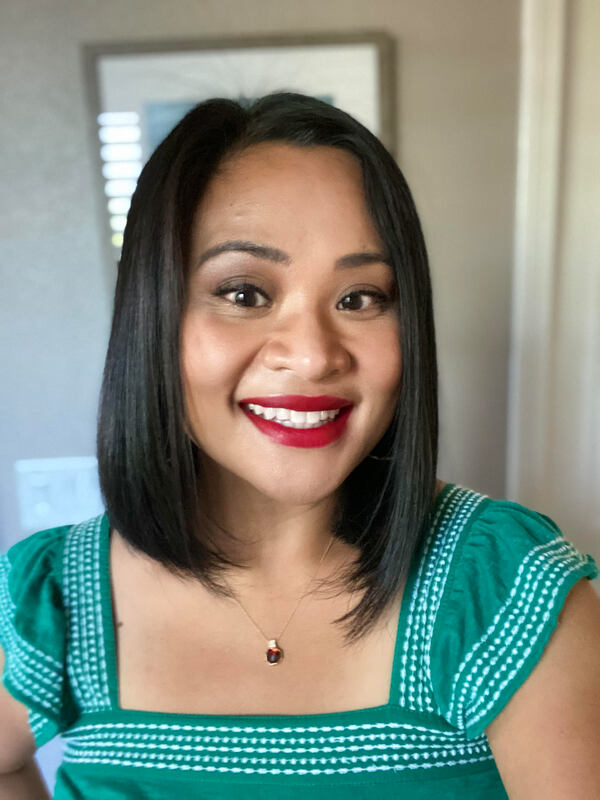
When Mary Ann was first diagnosed with infertility, she was hesitant to share her journey. Because infertility has such an impact on daily schedules and managing a career, she started opening up. Through candid conversations at work or online, MaryAnn found financial resources, friendship and a support system to vulnerably walk through her infertility journey with.
Can you share a little bit about your journey to being diagnosed with infertility?
When we started to try in 2015, My husband and I were both 39 years old. My husband had a few factors that make it a little bit more difficult to conceive naturally, and I have a luteal phase defect and low progesterone. I have not been diagnosed with diminished ovarian reserve, but my age has always been a factor. Even though I get a decent number of follicles each month, a higher percentage of eggs are abnormal after age 40 and we are 44. We have done so many tests above and beyond what any doctor ever wanted to test, in attempt to figure out the source of what our issues are. Immune issues on my end seem to be the culprit, and we managed to improve the male factor issues somewhat, but we had a feeling the egg and sperm were having problems actually meeting up, which is why we eventually moved to IVF after trying naturally for a few years.

With all of the tests you had, I can only imagine how much time that took away from your daily grind and work schedule. Were you open about your diagnosis initially? Did you feel that disclosing your story was a choice that you made?
I was working as an Instructional Designer. We were trying naturally and I shared this with only a few of my co-workers. My direct manager had very strict in-office hours — starting at 8:00am sharp — with no flexibility or tolerance for arriving even a little late. When I began my initial infertility testing, I learned about the uncertain scheduling of all the blood work appointments that have to be based on your cycle days. I tried to give my manager a heads up by saying “I have a medical issue and I’m going to need to get a bunch of bloodwork done this week and will be late, probably every other day.” Well of course this raised red flags and he instantly started asking me, “Are you okay?” He was very worried and he kept prying. He even asked if I had cancer. I finally wrote him an email that included words like ovulation, progesterone, periods. It was super uncomfortable but I felt I just had to tell him the entire story of what was going on. It was frustrating that I had to tell him. I have a great reputation in my profession — I am reliable and a team player. In the end, he was caring and understanding, even though he did not have any experience with infertility with his wife. Because I had opened up and shared my situation with him early on, when I had a more serious laparoscopy surgery scheduled, it was a much easier conversation and alleviated a lot of my work stress. He even sent me a card which was totally unexpected!
Did your level of comfort with sharing your infertility diagnosis evolve over time or do you think it was situational?
Probably both, but I definitely had a different approach when discussing infertility at work. When I started IVF in 2018, I was working at Discover. They were very flexible with the scheduling which was a big change for me. I opened up to my new manager right away, but because I was new, I was not sure how it would be received. She was so happy for me and really encouraged me to pursue treatments. She told me, “just mark off your calendar for whatever you need.” She was incredibly compassionate for what I was going through.
Again, being a newer employee, I tried to not talk about it too much at work so that no one would assume it was a major distraction or that I was not completing my work. I did make a big effort to really show that this was not interfering with my productivity. When I would have one on one conversations, I would be more open and discuss it if it came up.
Besides a more open line of communication, what did you gain by sharing your story?
If I was having a bad day, it felt good to take a bit of time and talk to my co-workers about what I was going through. I needed support and when I started opening up, I realized that there were so many people I could lean on, and we really connected. When I had a miscarriage and shared, I found out my coworker also had a miscarriage. I ended up learning that five of my co-workers had gone through IVF.
We really bonded by sharing not only our experiences with one another but also resources. One co-worker used the Marketplace plan as a secondary insurance option which helped her significantly offset her treatment costs. She also shared a financial resource that ended up covering four of my egg retrievals. Without this help, there is no way I would have been able to come as far as I have in my treatments.
Besides in your work circles, how else have you been able to share your infertility journey?
Even though I would now consider myself completely open about my struggles, I was less willing to share at the beginning. I am now involved in online communities to support others but also find support myself. I have participated in and led support groups through Resolve, a national infertility community.

Knowing what you know now, would you provide any advice to someone who is just starting on their journey to parenthood, specifically when it comes to speaking out about infertility?
If I had shared my story more openly and become involved with the community early on, I may have learned from others stories and started IVF earlier. We spent a lot of time and money trying to figure things out and avoiding medical intervention for 3.5 years. I thought that my body would just figure it out; I was just way too stubborn and wanted to figure it out myself. When the doctors at my clinic suggested IVF, I should have listened and at least had an egg retrieval done sooner. I just did not have anyone to really talk through this decision with at the time.
My advice would be — if someone asks you if you have children and you do not because of infertility issues, I would suggest at least hinting at it. “We would love to have kids and are trying but are having a little bit of trouble” is a quick way to invite people in a bit and by doing that, you can find so much support, networks and resources. Of course, you will find some people who just do not get that infertility is a medical diagnosis. Some people will tell you to “relax and it will happen”. But by simply saying that you’re having a problem, it can open up a lot of doors for you and be very empowering. You don’t always know what is going on behind the story of a person and the life plans they are working so hard to achieve.
Thank you Mary Ann for bravely sharing your story with hopes to empower others, provide hope and change the conversation about infertility!